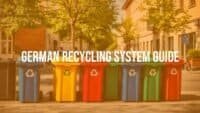
Berlin’s Green Spaces: From ‘Jewel’ to Junkyard?
The decision by the Berlin City Council to implement a Clean Transport Zone in the city center from January 1, 2026, is not merely a local regulation concerning air quality. It signals a much broader transformation that will change the face of German metropolises over the next decade – and simultaneously test whether German cities are ready for radical solutions in the fight against smog, even at the cost of public dissatisfaction.
The Monbijoupark in Mitte, once a “jewel” as its French name suggests, has become a symbol of Berlin’s growing litter problem. Residents, like Anna Kraft, lament the “devastation of our cultural heritage” as the park increasingly serves as a barbecue area, leaving behind smoke, mountains of trash, and an unwelcome rat population. This isn’t an isolated incident; many of Berlin’s green spaces face similar challenges, raising questions about shared responsibility and urban planning.
A Radical Solution or a Necessary Step?
The core of the problem, as highlighted by a recent editorial, isn’t necessarily the use of public spaces for activities like barbecuing, but the blatant disregard for cleanliness that follows. “What’s so difficult about simply taking your trash with you?” asks Heike Dietrich, a leading editor, echoing a sentiment shared by many frustrated Berliners. The issue persists year-round, with discarded mattresses, shoes, and coffee cups littering the streets, but it escalates to an “appalling” level in the summer months.
The Japanese Model: A Lesson in Civic Responsibility
The comparison with Tokyo offers a compelling perspective. Despite the scarcity of public bins – a measure implemented for security reasons after the 1995 subway gas attack and to deter household waste disposal – Tokyo’s streets and parks remain remarkably clean. This phenomenon is attributed to Japan’s deeply ingrained culture of personal responsibility for one’s own waste, often linked to religious purification rituals. Many Japanese citizens carry small bags to collect their trash and dispose of it at home. This cultural norm, coupled with consistently enforced fines, fosters a collective sense of tidiness.
Can Berlin Embrace a New Ethos?
From a Berliner’s perspective, such a profound shift in mindset might seem far-fetched. However, as a capital city, Berlin has a history of embracing change and achieving what once seemed unthinkable. The question isn’t whether Berlin can adopt a more responsible approach to public cleanliness, but whether it will. The current situation demands a re-evaluation of civic values and a willingness to learn from successful models elsewhere.
The current state of Berlin’s parks is a stark reminder that environmental solutions extend beyond regulations and infrastructure. They require a fundamental shift in individual behavior and a collective commitment to preserving shared spaces. While the city grapples with various challenges, including the opening of a major Hindu temple, a court case on COVID-19 aid, and a large childcare congress, the everyday issue of litter continues to impact the quality of life for its residents.
What’s Next for Berlin’s Public Spaces?
The call for “a bit more Japanese responsibility” is not just a rhetorical flourish; it’s a plea for a more sustainable and enjoyable urban environment. It challenges Berliners to consider their role in maintaining the beauty and cleanliness of their city. This transformation won’t happen overnight, but acknowledging the problem and seeking inspiration from cultures that prioritize collective well-being is a crucial first step. The future of Berlin’s parks hinges on whether its citizens are willing to embrace this challenge and redefine their relationship with public spaces.