Munich Court Ruling: AI-Generated Content Liability Shifts to Platform Operators
The decision by the Munich I Regional Court on June 12, 2026, to hold platform operators directly liable for erroneous information in AI-generated summaries marks a pivotal moment in the evolving landscape of artificial intelligence regulation. This ruling, coming just ahead of the comprehensive implementation of the EU AI Act, signals a broader transformation in how legal accountability for AI content will be enforced across European digital platforms. It also serves as a crucial test for the German legal system’s readiness to address the complex challenges posed by rapidly advancing AI technologies.
A Radical Shift in Liability or a Necessary Adjustment?
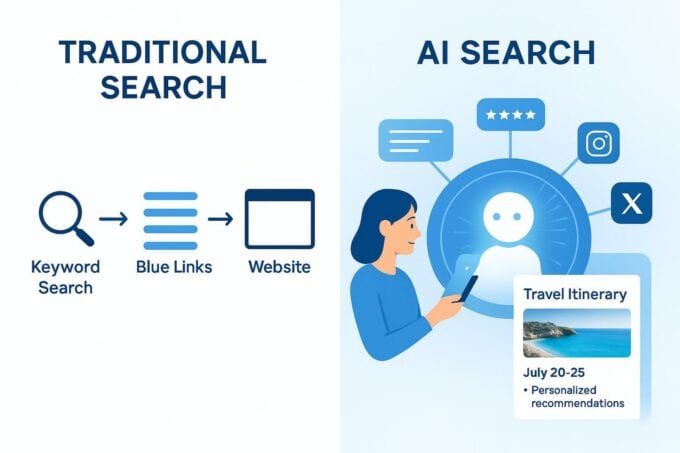
The court’s decision stems from a case where two publishers sued over false claims made in automated search overviews, which erroneously linked their companies to disreputable practices. The 26th Civil Chamber unequivocally stated that an AI-generated answer should be considered the platform operator’s own statement, not merely a linked reference. This means the usual liability privileges extended to search engines do not apply, compelling operators to cease the dissemination of such content and bear a substantial portion of the legal costs. While the verdict is not yet legally binding and the affected company has announced an appeal, experts widely anticipate a ripple effect across the entire industry.
Dr. Anna Schmidt, a legal expert specializing in digital law at the University of Munich, highlights the core issue: ‘This ruling clarifies that the mere act of hosting AI-generated content does not absolve platforms of responsibility. It forces a re-evaluation of the ‘publisher versus platform’ debate in the age of AI, pushing platforms towards a more active role in content moderation and verification.’ The implications are profound, especially for smaller platforms that may lack the resources to implement extensive content review mechanisms.
The Societal Dimension of AI Accountability
The ruling underscores a critical tension between technological innovation and societal protection. As AI systems become more sophisticated, their potential to generate and disseminate misinformation grows, posing significant risks to individuals and businesses. The court’s decision reflects a growing recognition that the economic advantages of AI must be balanced against the need for robust safeguards against its misuse or malfunction.
According to a study conducted by the German Federal Ministry of Justice in May 2026, 68% of citizens express concerns about the accuracy of AI-generated information, with 45% reporting having encountered demonstrably false AI-produced content. This public sentiment likely influenced the court’s stance, emphasizing the judiciary’s role in protecting public trust and ensuring accountability in the digital sphere.
However, is this solution truly fair to platform operators? And will it genuinely solve the problem of AI-generated misinformation?
The EU AI Act: A New Regulatory Era
The Munich court’s decision gains further weight in the context of the new EU AI Act, which introduces a comprehensive regulatory framework for artificial intelligence. The Act, with its complex requirements and new liability risks, presents significant challenges for businesses. A free implementation guide is available to help legal and IT departments navigate relevant deadlines, obligations, and risk classifications.
Key obligations under the EU AI Act include:
- Mandatory labeling requirements: From August 2, 2026, deepfakes and AI-generated texts on public affairs must be clearly marked.
- Voluntary Codes of Conduct: The EU AI Authority published a voluntary code of conduct on June 10, 2026, offering technical guidelines and official symbols for AI systems.
- Increased Penalties: Violations of the EU AI Act can result in fines of up to 35 million euros or seven percent of global annual turnover, far exceeding the 50,000 euro fines under national implementation laws.
The German national AI Implementation Act designates the Federal Network Agency as the supervisory body, establishing a coordination center and a complaints office for citizens. It will also advise companies on regulatory compliance and plans to set up AI real laboratories for testing innovations under controlled conditions. The federal government faces one-time costs of 4 million euros and annual recurring costs of 15.9 million euros, with federal states contributing an additional 33.1 million euros annually.
The industry association Bitkom has warned against the fragmentation of oversight due to federal structures, and the Bundesrat’s approval is still pending. This highlights the ongoing debate about the most effective and efficient way to regulate AI at both national and European levels.
Shadow AI and Data Security Risks
Internally, IT security is becoming a major focus. The State Commissioner for Data Protection in Lower Saxony has raised concerns about the use of private AI accounts for professional purposes, coining the term ‘Shadow AI.’ This often arises from time pressure or a lack of official solutions, posing significant risks to sensitive corporate data and potentially violating GDPR regulations. Companies are therefore urged to implement comprehensive compliance frameworks for the legally sound introduction of AI, including technical validation, bias analyses, and employee training programs.
AI as a Compliance Assistant
Despite the regulatory hurdles, AI also offers opportunities for legal departments. AI assistants can significantly accelerate GDPR documentation, such as processing activity records or data protection impact assessments, with practical experiences showing time savings of up to 75 percent. This demonstrates a potential paradox: while AI creates new compliance challenges, it also provides tools to manage them more efficiently.
The Munich ruling and the impending EU AI Act signify a paradigm shift. The era of unchecked AI development and deployment is drawing to a close, replaced by a more regulated and accountable environment. This demands proactive engagement from platform operators, developers, and policymakers to ensure that AI serves humanity responsibly and ethically. The legal and ethical implications of AI will continue to be a central topic, shaping not only the technology itself but also the societies it serves.
Source: https://www.boerse-express.com/news/articles/plattformbetreiber-haften-staerker-muenchner-gericht-kippt-ki-privilegien-917267