Hamburg, September 9 – The City of Hamburg is set to establish a new, central hub for startup companies. Through a municipal enterprise, the city is acquiring the Hammerbrooklyn Pavilion, located near the wholesale market, for approximately 40 million euros. While the move is intended to boost the local startup ecosystem, it has also sparked questions from the opposition.
City Takes Over Former Expo Pavilion
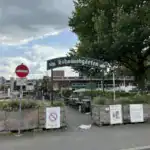
The distinctive building in Hammerbrook, a former pavilion from the Expo World Exhibition in Milan, had previously been earmarked for a startup center under private initiative. However, plans for the project had stalled. Now, the city is taking over the centrally located property in the Oberhafen-Quartier from the investor.
Melanie Leonhard (SPD), Senator for Economic Affairs, described the acquisition as a “great opportunity” and an important step towards consolidating the city’s startup scene. The new hub will offer approximately 6,000 square meters of usable space for developing innovative businesses.
Opposition Raises Doubts About Success and Market Value
Despite the city’s ambitions, the plans have been met with skepticism from the opposition. The CDU, in particular, is questioning the realistic market value of the building. Furthermore, they are asking why a second attempt at establishing a startup center in this location should be successful, given the previous private initiative’s stagnation. The CDU has submitted a formal inquiry to the Senate regarding these concerns.
The Hammerbrooklyn project has been described as a major undertaking situated between the Deichtorhallen and the wholesale market, aiming to create a digital campus open to revolutionary startups.
Background: Hammerbrooklyn – A New Era for Startups
The concept of Hammerbrooklyn emerged as a vision for a dynamic digital campus, designed to foster innovation and collaboration among emerging companies. Its strategic location in the heart of Hamburg was intended to make it a focal point for the city’s burgeoning tech and creative industries.
Initially, a private investor had taken on the task of transforming the former Expo pavilion into a vibrant startup ecosystem. However, the project encountered unforeseen challenges, leading to a prolonged period of inactivity and uncertainty about its future. This hiatus prompted the city to intervene, recognizing the strategic importance of the location and the potential for a dedicated startup hub to drive economic growth and job creation in Hamburg.
Economic Impact and Future Prospects
The city’s investment of 40 million euros underscores its commitment to nurturing a thriving startup environment. By providing a centralized location with ample space and resources, Hamburg aims to attract both local and international talent, fostering a culture of innovation and entrepreneurship. The 6,000 square meters of usable space are expected to accommodate numerous startups, offering them the infrastructure and collaborative environment needed to scale their operations.
Economists and urban planners view the acquisition as a significant step towards diversifying Hamburg’s economy and reducing its reliance on traditional industries. The creation of a dedicated startup hub is anticipated to generate new jobs, stimulate investment, and enhance the city’s reputation as a leading European innovation center.
However, the success of the initiative will largely depend on addressing the concerns raised by the opposition, particularly regarding the long-term viability of the project and the effective utilization of public funds. The CDU’s inquiry highlights the need for transparency and accountability in public spending, especially when dealing with large-scale urban development projects.
Community and Urban Development
The Hammerbrooklyn Pavilion’s location in the Oberhafen-Quartier is part of a broader urban regeneration effort in Hamburg. This area, traditionally industrial, is being transformed into a vibrant mixed-use district, combining residential, commercial, and cultural spaces. The integration of a startup hub into this evolving urban landscape is expected to contribute to the district’s revitalization, attracting a diverse community of professionals and innovators.
The city’s plan also aligns with its long-term strategy of promoting sustainable urban development. By repurposing an existing structure and integrating it into the urban fabric, Hamburg aims to minimize environmental impact while maximizing economic and social benefits. The new hub is envisioned as a place where creativity, technology, and community converge, creating a dynamic environment for both work and leisure.
The upcoming discussions between the Senate and the opposition will be crucial in shaping the future direction of the Hammerbrooklyn project. Addressing the concerns about market value and long-term success will be essential to ensure broad political support and public confidence in this significant urban development initiative.