

Germany is well known for its traditions and lively culture, which are best experienced at its many folk festivals. These events are not just parties-they are an important part of local life and give visitors a close look at German history and customs. Festivals happen all year long, from ancient traditions to big modern gatherings. Whether you enjoy seeing people in costume, listening to music, tasting local food, or simply joining in the fun, German folk festivals offer a special way to experience the country’s heritage.

What Are German Folk Festivals?
German folk festivals, called Volksfeste, have a long history. Many of them have been held for hundreds or even thousands of years. They usually mix local fairs, markets, and celebrations. You can expect lively parades, thrilling amusement rides, the smell of roasted nuts and regional food, and music from brass bands or modern groups. These festivals bring communities together to enjoy traditional customs and a good time.
Cultural Importance and Traditions
Folk festivals help keep German customs, music, dance, and language alive. Many started as church events (Kirchweih), farming fairs, or trading markets. For example, the Fürth St. Michael’s Fair has honored St. Michael’s Church for over 900 years. The famous Oktoberfest in Munich began with a royal wedding in 1810. Events often include the opening of the first beer barrel, colorful costume parades, and traditional dances like the Schuhplattler. These traditions are an important link to the past, kept alive with excitement today.
Different Regional Styles
Festivals can be quite different depending on where you go in Germany. Bavaria is famous for beer festivals like the huge Oktoberfest and smaller autumn fairs such as the Rosenheim Herbstfest and Erding Herbstfest. Here, you’ll see people dressed in Lederhosen and Dirndls, and enjoy local beers in big tents. Franconia, a part of Bavaria, has its own style, with events like the Erlangen Bergkirchweih and the Fürth St. Michael’s Fair, which is known for its harvest parade.
Northern cities like Hamburg have festivals with a sea theme, such as the Hafengeburtstag and Kieler Woche, which is the world’s biggest sailing event. North Rhine-Westphalia hosts large fairs on the Rhine, like the Düsseldorf Rheinkirmes, famous for rides and fireworks. Berlin has many of its own festivals, including street carnivals and the Berlin lacht! theater festival. Every region gives its own twist to folk festivals, making each one different from the next.

How Does the German Folk Festivals Calendar Work?
German folk festivals happen throughout the year, with most big events taking place in spring and autumn. Some festivals always happen on the same dates because they are tied to religious or historic days. Others change dates each year, often fitting local calendars. Because of this, it’s helpful to plan ahead if you want to visit a specific festival.
Festivals by Season
- Spring: After the quiet winter, the festival season starts up again. Easter and Whitsun bring events like the Nuremberg Spring Festival and Augsburg Spring Plärrer, which have rides, games, and food.
- Summer: Many festivals are held outdoors, often near rivers or in town centers. These include music events, wine festivals, and water-themed celebrations.
- Autumn: This is the season for harvest and wine festivals. Oktoberfest in Munich and many similar fairs take place now.
- Winter: The famous Christmas markets appear, offering festive food and crafts. While not the same as beer or street festivals, they share the spirit of togetherness.
Main Dates and Highlights
Most major German folk festivals happen between April and November. Early spring has festivals like the Passau Maidult and Augsburg Spring Plärrer. Some highlights by month include:
- June: Erlanger Bergkirchweih, Kieler Woche
- July-August: Wine festivals, Kaltenberg Knights’ Tournament
- September: Oktoberfest in Munich, Stuttgart Cannstatter Volksfest
If you want to visit a festival, check the dates for the current year as they can change slightly. For example, in 2025, Oktoberfest runs from September 20 to October 5, and the Rosenheim Herbstfest takes place from August 30 to September 14. National holidays like German Unity Day (October 3) may also affect festival schedules and transport.
Major German Folk Festivals By Month
Folk festivals take place all year long in Germany, each showing a different side of local life. Some are big, well-known events, while others are cozy and traditional.
January to March: Winter and Carnival Festivals
- Early January often still has Christmas light events in cities like Berlin and Hamburg.
- January 6 (Epiphany) is important in Catholic regions, with children dressing as the Three Kings.
- February and March focus on Fasching/Karneval (Carnival). Cologne’s Rosenmontag parade (February 16, 2026) is famous for costumes and parties.
- Berlin hosts the CTM music festival and the Berlinale film festival.
April to June: Spring Festivals
- April: Easter fairs, such as Nürnberg Spring Festival (April 4-19, 2026).
- May 1 (May Day): Traditional pole dances and city street parties.
- Early May: Hafengeburtstag in Hamburg celebrates the port.
- June: Erlanger Bergkirchweih (June 5-16, 2025), Kiliani Volksfest in Würzburg, and Kieler Woche, the world’s largest sailing event. Many towns hold old city festivals.

July to September: Summer and Autumn Festivals
- July: Kiliani Volksfest in Würzburg (July 4-20, 2025).
- August: Dachau Folk Festival (August 9-18, 2025), Gäubodenfest in Straubing (August 8-18, 2025), and Erding Herbstfest (August 29-September 7, 2025). Sandkerwa Bamberg (August 21-25, 2025) and Nürnberg Fall Folk Festival (August 29-September 14, 2025) bridge summer and autumn.
- September: Oktoberfest in Munich (September 20-October 5, 2025), Cannstatter Volksfest in Stuttgart (September 26-October 12, 2025).
- Firework shows along the Rhine called “Rhine in Flames” also take place during these months.
October to December: Fall Fairs and Christmas Markets
- October: Fürth St. Michael’s Fair (October 3-15, 2025) with a big harvest parade. German Unity Day is a public holiday on October 3. Berlin Festival of Lights brightens city buildings.
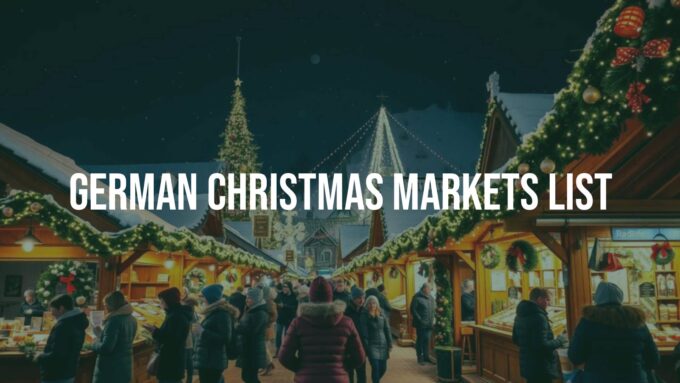
- November-December: Christmas markets open across Germany, especially in Nuremberg, Munich, Rothenburg, and Berlin. These focus on handmade gifts, food, and hot drinks. Munich’s Tollwood Winter Festival (Nov 25-Dec 23, 2025) combines market stalls with cultural events.
Main Folk Festivals in German Cities and Regions
Every town in Germany has its own festival, but some are famous for being large, historic, or especially interesting.
| Festival | Location | Main Features |
|---|---|---|
| Oktoberfest | Munich | World’s biggest folk festival, many beer tents, rides, parade on opening Sunday |
| Cannstatter Volksfest | Stuttgart | Large fair, major beer tents, parades, markets, family attractions |
| Hamburg DOM | Hamburg | Happens three times a year; rides, food stands, games for all ages |
| Erlangen Bergkirchweih | Erlangen | Beer festival under old trees, famous for cellar-served beer |
| Bremen Freimarkt | Bremen | Runs over 17 days in October; rides, traditional snacks, old fair vibes |
| Schützenfest | Hannover | Shooting clubs, big parade, family rides, carnival games |
| Nuremberg Volksfest | Nuremberg | Twice a year, lots of rides, food stands, beer tents, fireworks |
Special and Traditional Festivals
Along with large city fairs, many small towns have unique events that reflect old customs and rural life.
Historical Festivals and Church Consecration Fairs
Some festivals act out local history or celebrate church anniversaries (Kirchweih). For example, Rothenburg’s Meistertrunk Show uses medieval costumes, and Dinkelsbühl’s Kinderzeche recalls an old legend with dancing and parades. Fürth St. Michael’s Fair keeps a cozy street market style, instead of large festival tents, and Hilpoltstein Castle Festival features townsfolk in period clothes. These events often include traditional games, handmade crafts, and local food.
Cattle Drives (Viehscheid) in the Allgäu Region
In the Bavarian Alps, villages celebrate the return of cattle from the mountain pastures between September and October. If the summer went well, a few cows wear flower wreaths and big bells, with decorations that are meant to protect against bad luck. Villagers and guests wait in the valley for a weekend of music, food, and fun in honor of the safe return. This is a time for the community to celebrate their work together with friends and family.

River and Harbor Festivities
Many festivals happen along rivers or at the coast. Hamburg’s Hafengeburtstag celebrates the port with fireworks, parades, and music along the Elbe. Kieler Woche in June is the world’s largest sailing festival, bringing together boaters and tourists. “Rhine in Flames” is a series of events along the Rhine with fireworks and music. These water-themed events celebrate Germany’s close connection to its rivers and seas.
Harvest and Wine Celebrations
Every autumn, wine regions celebrate the grape harvest. For example, Bad Dürkheim’s Wurstmarkt calls itself the biggest wine festival in the world, combining drinks, food, and fairground rides. Neustadt’s Wine Harvest Festival is another large event. Many villages along the Mosel and Rhine rivers also have wine tastings, local foods, and music. These festivals are both a chance to taste new wine and enjoy local hospitality in attractive vineyard settings.

FAQs about the German Folk Festivals Calendar
Should You Book Tickets Early?
For most folk festivals, especially outdoor ones, you don’t need to buy entry tickets in advance since they are open to everyone. But for busy beer tents at events like Oktoberfest, reserving a place is recommended, especially for evenings and weekends. Some performances or concerts at festivals might require tickets that can sell out. Always check the festival’s official website for up-to-date details and to confirm event dates, which can change each year.
Are Entry Fees Common? Are Some Events Free?
Most festivals are free to enter, so you can look around and enjoy the atmosphere without paying at the gate. Rides, food, and drinks do cost extra. Some areas or special shows within larger festivals may require a ticket (for example, “Oide Wiesn” at Oktoberfest). Keep some cash handy, as not all booths accept cards.
Travel and Staying Overnight
Popular festivals attract large crowds and fill up hotels fast. For major events like Oktoberfest, book your room well ahead of time-sometimes even a year before. Staying just outside the city center and using public transport is often easier. Many cities add extra buses and trains during festivals. For smaller local events, finding a place to stay may be less competitive, but it’s still smart to book early. Check local timetables and plan how you’ll get back at night.






Leave a comment