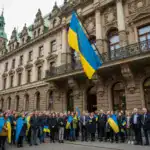
Descendants of Mangi Molelia in Berlin: A Step Towards Repatriation
Berlin, February 23, 2026 – In a significant development for colonial restitution efforts, two descendants of Mangi Molelia, a prominent leader executed by German colonial troops in 1900, visited Berlin this week. Their visit marks a poignant moment in the ongoing efforts to repatriate the remains of their ancestors from German collections.
On March 2, 1900, German colonial troops publicly executed 19 leading figures from local communities in Old Moshi, Kilimanjaro. This event left deep scars that resonate in the region to this day. Among those murdered were Mangi Molelia, the young leader of Kibosho, along with his brother and another relative.
A Century-Long Journey: From Old Moshi to Berlin
The skulls of the executed individuals were brought to Germany and became part of Felix von Luschan’s collection of human remains, now managed by the Stiftung Preußischer Kulturbesitz (SPK). For a long time, the origin of individual human remains remained unclear. However, in 2023, DNA analysis successfully identified four skulls as belonging to specific individuals, including Mangi Molelia and his two relatives, confirming kinship with living persons.
This week, two descendants traveled to Berlin to confront the remains of their ancestors. During their stay, they also met with the President of the Stiftung Preußischer Kulturbesitz, Marion Ackermann, underscoring the importance of this direct engagement.
Ongoing Repatriation Efforts and Dialogue with Tanzania
The Tanzanian government has not yet responded to the SPK’s offer of repatriation. Nevertheless, the foundation continues its efforts towards restitution. In the interim, the SPK has agreed with the living family members to involve them in all essential decisions regarding the skulls, demonstrating a commitment to transparency and collaboration.
This visit highlights the complex and often painful history of colonial collections and the growing global movement towards the ethical repatriation of cultural heritage and human remains. The SPK’s proactive engagement with the descendants and its commitment to repatriation set a precedent for future restitution cases.
Further Information
A press release from September 5, 2023, titled “Human Remains from Tanzania: First Confirmation of Kinship with Living Persons,” provides more details on the scientific breakthroughs that allowed for the identification of Mangi Molelia’s remains.
The ongoing dialogue between the SPK and the descendants, as well as the anticipated response from the Tanzanian government, will be crucial in determining the future of these historically significant remains and contributing to a more just and equitable approach to colonial legacies.