Hamburg’s Waste-to-Energy Plant: A Deep Dive into the Multi-Million Euro Debacle
Hamburg, Germany – A project once hailed as a modern solution for waste management in Hamburg has spiraled into a financial quagmire, with the new waste-to-energy plant in Stellingen Moor now projected to cost at least 750 million euros, a staggering increase from its initial 234 million euro budget. This dramatic cost explosion has ignited a fierce debate about accountability, casting a critical spotlight on the leadership of Stadtreinigung Hamburg, the city’s waste management company.
The Former Chief Under Fire: Rüdiger Siechau’s Controversial Exit
At the heart of the controversy is Rüdiger Siechau, the former head of Stadtreinigung Hamburg. Media reports indicate that Siechau has been banned from both the Stadtreinigung premises and the construction site in Bahrenfeld, a move aimed at preventing him from further influencing the project. Authorities are reportedly investigating the extent to which Siechau can be held liable for the colossal cost overrun. This comes despite his assurance to the Stadtreinigung supervisory board in December that the project was on schedule and within budget.
Co-CEO Holger Lange Also Under Scrutiny
The criticism isn’t limited to Siechau. Holger Lange, Siechau’s co-CEO, who is set to retire in August, is also facing intense scrutiny. Sandro Kappe, a CDU member of the Bürgerschaft (Hamburg Parliament), expressed bewilderment at the disparity: one CEO banned while the other remains in office. Kappe emphasized that if the Senate is serious about an independent investigation, Lange must be immediately suspended, and his official computer secured. The CDU plans to demand extensive access to files regarding the cost explosion during Wednesday’s Bürgerschaft session.
A History of Escalating Costs and Missed Deadlines
The journey of the Hamburg waste-to-energy plant has been marked by a series of escalating costs and delayed completion dates:
- 2026: The plant is expected to become operational.
- 2015: Stadtreinigung receives approval for its new Center for Resources and Energy in Stellingen, touted as Europe’s most modern waste disposal facility.
- Earlier Projections: Initial costs were set at 234 million euros.
- Subsequent Adjustments: Costs were later increased to 534 million euros.
- Current Estimate: The latest projection puts the cost at a minimum of 750 million euros.
Crisis Meetings and Legal Ramifications
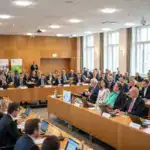
The soaring costs have triggered a series of urgent responses. A crisis meeting was held by the environmental committee on Tuesday evening to address the potential tripling of costs. Furthermore, the supervisory board of Stadtreinigung Hamburg is reportedly considering legal action, indicating the severity of the situation and the determination to hold responsible parties accountable.
Unanswered Questions and the Call for Transparency
As the scandal unfolds, several critical questions remain unanswered:
- What specific factors led to such a dramatic and unforeseen increase in project costs?
- Were there any irregularities in the initial planning and budgeting processes?
- To what extent were the Stadtreinigung executives aware of the impending cost overruns, and why were these not communicated earlier?
- What measures will be implemented to prevent similar financial mismanagement in future public projects?
The calls for transparency and a thorough investigation are growing louder, as Hamburg residents demand answers regarding the massive expenditure of public funds. The outcome of the Bürgerschaft session and the ongoing investigations will be crucial in determining the future of the project and the accountability of those involved.
The incident underscores the critical need for robust oversight and stringent financial management in large-scale public infrastructure projects, especially those with significant environmental and economic implications for a major city like Hamburg.
Source: https://www.ndr.de/nachrichten/hamburg/kostenexplosion-bei-muellverwertungsanlage-wer-ist-verantwortlich,muell-354.html