Hapag-Lloyd Expands Influence in Hamburg Port with Eurogate Stake
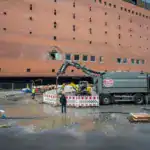
Hamburg, June 29 – The Hamburg-based container shipping company Hapag-Lloyd is significantly expanding its footprint in the Port of Hamburg. The company announced its intention to acquire a 20 percent stake in the Eurogate Terminal in the Hanseatic city through its subsidiary, Hanseatic Global Terminals. This move comes after Hapag-Lloyd has been processing a large portion of its ships at Eurogate in Hamburg since last year.
The acquisition allows Hapag-Lloyd to directly benefit financially from the handling of its own and other freighters at the terminal. The financial details of the deal have not been disclosed, and it is still subject to approval by antitrust authorities.
Strategic Shift After HHLA Setback
Prior to this development, Hapag-Lloyd had primarily directed its largest freighters to its competitor, the port logistics company HHLA, also in Hamburg. Hapag-Lloyd had also sought a larger stake in HHLA. However, the Swiss shipping company MSC ultimately secured that involvement, leading Hapag-Lloyd to withdraw some of its ships from HHLA.
Eurogate Terminal Slated for Major Expansion
The Eurogate Terminal in Waltershof is slated for massive expansion and modernization in the coming years as part of the so-called “Westerweiterung” (Western Expansion). Currently, the terminal is capable of handling 2.5 million standard containers annually. This planned expansion likely played a significant role in Hapag-Lloyd’s decision to invest.
Continued Investment in Altenwerder
Hapag-Lloyd has held a stake in Eurogate’s competitor, HHLA in Altenwerder, for several years and has stated its intention to maintain this involvement. The Altenwerder terminal primarily handles smaller freighters due to the lower clearance of the Köhlbrandbrücke.
Recent Developments for Hapag-Lloyd
In other news, all Hapag-Lloyd ships have successfully passed through the Strait of Hormuz. Additionally, Maximilian Rothkopf, a member of the Executive Board, is departing Hapag-Lloyd, with no successor yet named by the Supervisory Board. The company also reported millions in losses during the first quarter, and its virtual general meeting on Wednesday revealed a significant decrease in profits, resulting in a considerably lower dividend for Hamburg.
Broader Context: Hamburg’s Maritime Landscape
This strategic investment by Hapag-Lloyd underscores the dynamic and competitive nature of the global shipping industry and the crucial role played by major port cities like Hamburg. The port continues to be a vital hub for international trade, attracting significant investments and strategic maneuvers from leading shipping companies.
This development is part of a series of important events in Hamburg. Federal President Steinmeier recently opened the Sustainability Conference in Hamburg, emphasizing the need for global solutions to global problems. The city is also grappling with issues such as a potential increase in the rat population and cost overruns at a waste incineration plant.
Looking ahead, the city is preparing for the 2025 Bürgerschaft election and continues to develop its infrastructure, including the expansion of Autobahn 7. The Hamburg Sustainability Conference aims to find common solutions for global problems.
Source: NDR.de