New Kiezkante Quarter on St. Pauli: Trouble with Neighbors Shortly After Construction Start
Hamburg, July 12, 2026 – The long-vacant plot on Spielbudenplatz in Hamburg’s St. Pauli district, which has been empty since 2014, is finally seeing development with the new Kiezkante quarter. This ambitious project aims to introduce new residential units and a hotel to the vibrant area. However, just after the start of construction, the project has already encountered significant opposition from the local neighborhood.
The Kiezkante Project: A Long-Awaited Development
The Kiezkante project is designed to revitalize a key area of St. Pauli, providing much-needed housing and boosting local tourism with a new hotel. The plot’s dormancy for over a decade had left a noticeable gap in the urban landscape, and its development was initially met with anticipation by some segments of the community and city officials.
Early Signs of Discontent Among Residents
Despite the project’s potential benefits, residents living near the Spielbudenplatz construction site have voiced concerns. The exact nature of these grievances has not been fully detailed, but early reports indicate that issues typically associated with large-scale urban development, such as noise, dust, and disruption to daily life, are likely at the forefront of the neighbors’ complaints.
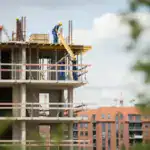
A photograph taken on July 6 shows no visible construction activity on the Kiezkante site, which might suggest a pause or slow-down in operations, possibly in response to the emerging issues or other logistical challenges. This lack of visible progress, juxtaposed with the reported ‘trouble with neighbors,’ indicates a complex situation unfolding on St. Pauli.
Impact on the St. Pauli District
St. Pauli, known for its lively atmosphere and diverse community, is no stranger to development and change. However, new projects often draw scrutiny from residents keen to preserve the district’s unique character and ensure that new constructions integrate harmoniously with existing structures and community needs. The Kiezkante project’s early challenges highlight the delicate balance between urban development and community well-being.
Future Outlook for Kiezkante
The developers and city authorities will likely need to address the neighbors’ concerns proactively to ensure the smooth progression of the Kiezkante quarter. Effective communication and potential adjustments to construction plans or mitigation strategies could be crucial in resolving the current dispute and fostering a more cooperative environment. The success of this project will depend not only on its architectural and commercial merits but also on its acceptance by the St. Pauli community.
As the Kiezkante project moves forward, further details regarding the nature of the neighborly disputes and the responses from the developers and city officials are anticipated. The situation underscores the importance of community engagement in urban planning, especially in historically rich and densely populated areas like St. Pauli.
Source: https://www.abendblatt.de/hamburg/hamburg-mitte/article412497056/st-pauli-grossbaustelle-fuer-quartier-kiezkante-am-spielbudenplatz-veraergert-nachbarn.html