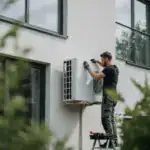
Hamburg, July 30 – Starting this Friday, a new law will come into effect across Germany, granting consumers the ‘right to repair’ their electronic devices. This legislation aims to combat the growing ‘throwaway culture’ by making it easier and more affordable for individuals to repair their broken appliances rather than replacing them. The new regulation is poised to have a significant impact on residents in Hamburg, offering a sustainable alternative to the current trend of discarding malfunctioning electronics.
New ‘Right to Repair’ Law: What it Means for Consumers
The ‘right to repair’ law is a crucial step towards promoting sustainability and reducing electronic waste. It mandates that manufacturers make spare parts and repair information readily available to consumers and independent repair shops. This means that if a washing machine, smartphone, or other electronic device breaks down, consumers will have a greater chance of getting it fixed, extending its lifespan, and reducing environmental impact.
- Washing machines
- Dishwashers
- Refrigerators
- Televisions
- Smartphones
- Laptops
For many Hamburg households, this could translate into substantial savings. A new washing machine, for instance, can cost several hundred euros, sometimes exceeding 1000 euros. The option to repair rather than replace will therefore be a welcome change for many.
Impact on Manufacturers and Retailers
The new legislation places considerable responsibility on manufacturers to ensure the availability of spare parts for a specified period after a product’s sale. This move is expected to challenge the current business model of planned obsolescence, where products are designed with a limited lifespan to encourage new purchases.
Retailers and consumer protection agencies in Hamburg have expressed mixed reactions. While consumer advocates largely welcome the law as a victory for consumer rights and environmental protection, some retailers have voiced concerns about the logistical challenges and potential costs associated with providing extensive repair services and spare parts.
Hamburg’s Role in the Fight Against Electronic Waste
Hamburg, a city known for its commitment to environmental initiatives, is expected to embrace this new law with enthusiasm. Local repair shops are anticipated to see an increase in business, and new repair services may emerge to meet the growing demand. This could also foster a more circular economy within the city, where products are used for longer and resources are conserved.
Consumer protection organizations in Hamburg have been actively advocating for such legislation, highlighting the economic and environmental benefits. They are now working to educate residents about their new rights and how to best utilize the provisions of the law.
Challenges and Future Outlook
Despite its positive intentions, the implementation of the ‘right to repair’ law may face some challenges. Ensuring that spare parts are affordable and that repair information is easily accessible will be crucial for its success. There might also be a learning curve for both consumers and businesses as they adapt to the new regulatory landscape.
However, the long-term outlook is promising. The ‘right to repair’ movement is gaining momentum across Europe, and this new law in Germany is a significant step towards creating a more sustainable and consumer-friendly market for electronic goods. Hamburg residents now have a powerful tool to resist the throwaway culture and make more environmentally conscious choices.
Source: https://www.abendblatt.de/hamburg/wirtschaft/article412695344/recht-auf-reparatur-eu-gesetz-elektronik-smartphone-waschmaschine-verbraucherzentrale-hamburg.html