

An “off the beaten path” place in Germany is more than a dot on the map; it is a different kind of trip. It is a town or region that locals may love but that most foreign visitors skip. These are places where church bells are louder than traffic, where you hear local dialects, and where daily life moves at a slow, natural pace. It is about going beyond the usual tourist circuit and seeing another side of Germany.
The charm of these hidden spots is the closer, more personal contact with German culture, history, and nature. Unlike big, busy cities or famous landmarks full of tour groups, these quieter places offer a calm escape. They invite you to slow down, watch how people live, join in local routines, and feel part of the place instead of just rushing through with a camera.
How Do These Places Differ from Tourist Hotspots?
The difference between lesser-known places and tourist hotspots in Germany is easy to notice. Big-name cities like Berlin, Munich, Hamburg, and Frankfurt offer museums, nightlife, and famous sights, but many experiences there are predictable. Think of queuing at Checkpoint Charlie or squeezing into crowded beer gardens in Munich. These are popular for a reason, but they often present a polished, commercial version of Germany aimed at large numbers of visitors.
Quieter destinations have a different feel. English may not be widely spoken, which gently pushes you to use some German and pay more attention to local customs. The best moments are often simple: walking through an empty market square at sunrise, chatting with a winemaker in his courtyard, or hiking through a valley where you barely meet anyone else. You spend less time checking off “must-sees” and more time enjoying the mood of the place and pleasant surprises along the way.
Why Go to Hidden Places in Germany?
There are many good reasons to go beyond Germany’s most famous sights. The main one is the honest, everyday feel of these areas. In small towns and rural regions, you see how people actually live. You eat in family-run restaurants, come across local fairs and village festivals, and experience friendly hospitality without a tourist script.
Another benefit is value for money. With fewer visitors, hotels, guesthouses, and restaurants are often cheaper, so your budget goes further. These spots also tend to have stunning landscapes and rich history that rival big-name attractions. From the sandstone towers of Saxon Switzerland to the medieval center of Quedlinburg, many lesser-known places are just as impressive but far less crowded, which makes for a calmer, more rewarding trip.
Key Tips Before Visiting Germany’s Less-Visited Areas
Planning a trip into Germany’s quieter corners takes a little more thought than a standard city break, but the payoff is big. Some simple preparation can turn a nice holiday into a truly memorable look at everyday Germany.
Think about the season you choose. Many small towns and nature areas feel very different at different times of year. Spring and autumn are great for hiking and exploring, with mild temperatures. Summer brings lively festivals and water activities. Winter in places like the Harz Mountains or Bavarian Alps can be magical, with snow and Christmas markets, but you need warm clothing and you may find some trails or sights closed or hard to reach.
Public Transport or Car: Which Is Better?
Germany has an excellent public transport network. Fast, regular trains connect big cities and many small towns. If you stay in well-connected areas, trains and buses are easy and low-stress. Deutsche Bahn’s advance “Sparpreis” tickets can cut the cost of long-distance ICE trains, and there are passes for groups and visitors that make rail travel cheaper and simple to use.
For reaching more remote places, though, a car often gives you more freedom. In Bavaria, for example, many towns are reachable by train, but driving is usually quicker and lets you link villages and nature spots that do not have good bus or train links. You can stop for views, pull into a tiny village that looks interesting, or change your route at the last minute. For areas like the Ahr Valley, quieter parts of the Mosel, or Hainich National Park, a car can save a lot of time and open up areas that buses and trains serve only rarely or not at all.
What to Pack for Rural and Less Touristed Places?
Packing for rural Germany is about comfort and practicality. Good walking shoes or hiking boots are key: you will likely walk a lot on cobblestones, village streets, and forest paths. Bring layers of clothing, since German weather can change quickly. A waterproof, windproof jacket is especially useful in mountains or by the sea.
Other handy items include a reusable water bottle and a small daypack. Since English may not be common in remote areas, download a translation app or take a small phrasebook to help with menus and directions. A portable charger is useful because you will spend many hours outside, away from power outlets. In some national parks mobile coverage can be weak, so bringing a paper map or downloading offline maps is a smart idea.
How Long Should You Spend in Offbeat Areas?
How many days you need depends on your style of travel and how many regions you want to visit. These places are best enjoyed at a slower pace. To really get to know one area, such as the Harz Mountains or the Mosel Valley, plan at least three to five days. That gives you time for a couple of hikes, visits to different villages, and unhurried meals.
If you want to combine several lesser-known regions on one trip, plan 10 to 14 days. For example, an itinerary focusing on less-visited parts of Bavaria can easily fill 11 days. With more time, you can add side trips, join local activities, and still keep free time just to sit in a café, wander, and enjoy the atmosphere.
Regional Guides: Where to Find Hidden Towns and Landscapes
Germany is large and varied, and its quieter spots are spread across the whole country. From rough northern coasts to the high Alpine south, each area has its own special character. This overview will help you decide where to start if you want a more unusual German trip.
Knowing the basic differences between regions helps. The north has a strong sea influence and long coastlines. The center is full of forests and hills. The south has high mountains and deep valleys. The east, shaped by different history, has its own charm, while the west mixes rivers, wine country, and former industrial areas now turned into parks and cultural sites. Focusing on one or two regions makes your journey feel more connected and less rushed.
North: From the Baltic Sea to the Harz
Northern Germany stretches from the North Sea and Baltic Sea coasts down to the Harz Mountains. Along the Baltic Sea (Ostsee) you find long sandy beaches, clear water, and grand 19th-century resort houses. The island of Usedom, shared with Poland, is popular with Germans but mostly unknown to foreign visitors. It is known for its “Strandkorb” beach chairs, fresh fish, and coastal walks. The soft white sand of the Ahlbeck area is especially beautiful.
Inland, the Harz Mountains are one of Germany’s classic hiking regions. They lie across Lower Saxony, Saxony-Anhalt, and Thuringia and are covered by around 5,000 miles of marked trails. Quedlinburg, with its perfectly preserved medieval streets and UNESCO status, and Wernigerode, with its colorful half-timbered houses, are great bases. From here you can walk through dense forests and climb the Brocken, a peak famous for legends about witches and ghostly gatherings.
East: Saxony Beyond Dresden
Eastern Germany, and Saxony in particular, has much more to offer than the well-known city of Dresden. Dresden makes a great starting point, but just under an hour away lies Saxon Switzerland National Park, with huge rock towers, deep gorges, and waterfalls. This landscape looks almost unreal, like a mix between desert rock formations and lush, green forests. The Malerweg (Painter’s Trail) is one of the best-marked routes through it.
Further south, the Ore Mountains (Erzgebirge) along the Czech border are a winter ski region that turns into a mountain biking center in summer. The Zschopau river valley near Chemnitz runs through rugged hills dotted with castles, palaces, and monasteries. The town of Görlitz, with its medieval streets and grand buildings, is a favorite film location but still sees relatively few foreign tourists. It sits right on the Polish border and has a special, almost timeless atmosphere.
West: Little-Known Corners of North Rhine-Westphalia and Rhineland-Palatinate
Western Germany often brings to mind the Ruhr industrial area or the famous Rhine River, but if you look further you will find plenty of quieter spots. The Ahr Valley (Ahrtal) is a good example. It offers steep vineyards, castles, and strong red wines similar to those of the Mosel and Rhine, but with far fewer visitors. You can walk the Ahrsteig trail through the vineyards, stopping in towns like Ahrweiler Markt, one of the best-preserved old towns in Germany.
The Eifel region, near the Belgian border, includes the small town of Monschau. With its narrow cobbled streets and timbered houses, it looks like a postcard and is perfect for walking. It also sits on the edge of Eifel National Park, where you can hike among forests, volcanic lakes, and fields of wildflowers. Near Düsseldorf, the Neanderthal Valley combines wooded walking trails with the Neanderthal Museum. And in the Ruhr, Landschaftspark Duisburg-Nord has turned a former steelworks into a huge public park where you can walk, cycle, and even climb among old industrial structures.
South: Bavaria’s Quiet Villages and Trails
Bavaria is famous for Munich and the castle of Neuschwanstein, but its lesser-known areas can be just as rewarding. Mittenwald, about 100 minutes by train from Munich, offers a real Alpine village feel without the crowds of nearby Garmisch-Partenkirchen. The town has painted house fronts, traditional food like Weißwurst, and many hiking routes. You can ride the Karwendelbahn cable car almost to the Austrian border, or walk down to the calm waters of Ferchen and Lauter lakes.
The Upper Danube Valley in the Swabian Alb, sometimes called the “Swabian Grand Canyon,” has steep cliffs, dark forests, and a bright river that you can explore by canoe, bike, or on foot. Caves, castles, and ruins sit along the valley. The Rhön Mountains, where the states of Bavaria, Hesse, and Thuringia meet, are known as “the land of open views,” with wide panoramas and many trails for walkers and mountain bikers. These southern regions let you enjoy Bavarian nature and culture away from the main tourist routes.
What Are the Best Off the Beaten Path Destinations in Germany?
Some lesser-visited places in Germany stand out again and again for their scenery, atmosphere, and cultural depth. These are spots where history feels close, nature feels unspoiled, and tourism has not taken over daily life.
They are not just back-up options if famous sights are busy; they are strong reasons on their own to plan a trip. In these areas you can connect with Germany’s many different traditions and landscapes, from forests and cliffs to wine villages and medieval streets, without big crowds.
Ahrtal: Wine Valleys and Walking Routes
The Ahr Valley is a lovely wine region that looks a bit like parts of the Mosel or Rhine, but it sees far fewer foreign visitors. It is very much a place shaped by locals for locals. The Ahrsteig trail leads through vineyards and past castles to towns like Ahrweiler Markt, whose old center looks almost untouched by time.
In villages such as Walporzheim you are likely to hear only German spoken, even in popular spots like Kloster Marienthal, a former convent turned winery. Sitting here with a glass of local red wine can feel like being in Provence, but with lower prices and fewer tourists. For wine lovers and walkers, the Ahrtal is one of Germany’s best lesser-known regions.
Harz Mountains: Legends, Trails, and Old Towns
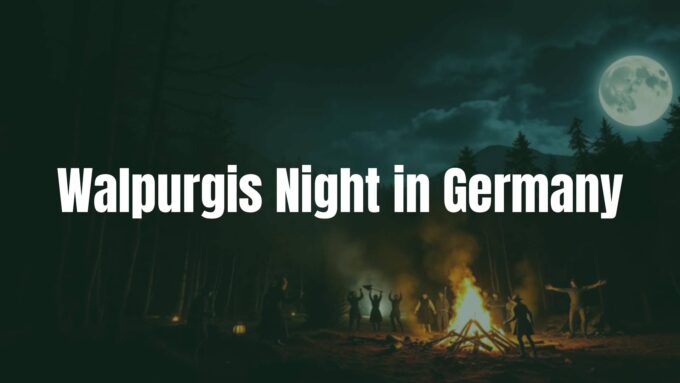
The Harz Mountains, including Harz National Park, show a side of Germany that many visitors miss when they head straight to the Black Forest or Alps. Writers like Heinrich Heine and Goethe used this area as inspiration. Brocken mountain is tied to old stories of witches, and every year on Walpurgis Night people still celebrate this folklore with costumes and events.
The Harz has close to 5,000 miles of marked paths, including the 94-kilometer Harzer-Hexen-Stieg (“Witches’ Trail”) from Osterode to Thale, which crosses the top of Brocken. Between hikes, you can visit towns full of half-timbered houses and old churches. Goslar, with its UNESCO-listed Rammelsberg ore mine, and Wernigerode, home to the Brocken steam train, are special highlights. The Harz brings together hiking, history, and myth in one compact region.
Quedlinburg: A Perfect Medieval Town
Quedlinburg is often called one of Germany’s most beautiful medieval towns. Its old center is a UNESCO World Heritage Site, with narrow cobbled lanes and hundreds of half-timbered houses. Above the town, an abbey and castle complex looks out over the rooftops.
A trip to Quedlinburg gives you both history and access to nature. You can spend the morning wandering through the old streets and visiting the abbey, then take the afternoon for a walk in the nearby Harz hills. At Christmas, the town’s markets are especially charming. It is an ideal base if you want to combine a “storybook” old town with walking in the countryside.
Monschau and Eifel National Park: Storybook Streets and Wild Forests
Monschau, close to the Belgian border, is one of those small towns that feels almost unreal. Colorful timber houses line the river, narrow alleys climb the hill, and the town center is easy to explore on foot. Because it escaped major war damage, much of it looks as it did many decades ago. You can visit the old mustard mill and try dishes like Reibekuchen (potato pancakes) with smoked salmon.
Just beyond the town lies Eifel National Park, a haven for hikers and nature fans. Wild cats, black storks, and spring meadows full of daffodils are some of its highlights. You can walk parts of the Eifelsteig or choose shorter loop trails that start and end in Monschau. The mix of a preserved old town and wide, quiet forests makes this region a very relaxing place to stay.
Saxon Switzerland National Park: Sandstone Towers and Deep Gorges
Saxon Switzerland National Park is well known among Germans but still surprises many international visitors. Less than an hour from Dresden, it is full of tall sandstone pillars, ravines, and viewpoints. The landscape looks almost like a fantasy film set.
There are many walking and climbing options, with the Malerweg as the classic long-distance route. A direct train from Berlin to Bad Schandau takes you right into the center of the region. You can visit famous spots like the Bastei Bridge or head for quieter paths deep in the park. It is an outstanding area for walkers who love dramatic scenery.
Hainich National Park: Tree-Top Walks and Ancient Forest
Hainich National Park in Thuringia sits close to the geographic center of Germany. Once used as a military training ground, it is now 29 square miles of protected forest and home to one of Europe’s last large ancient beech forests, which is on the UNESCO World Heritage list.
The park’s main feature is its tree-top walkway. Built carefully around the natural shape of the forest, it lets you see the canopy from above and watch birds and animals that live high in the trees. On the ground, there are many walking and cycling routes. Hainich is ideal if you want a quiet, green break and a look at how much of Europe’s forests used to be.
Mittenwald, Bavaria: Mountain Views and Violin Makers
Mittenwald is perfect if you want real Alpine scenery without crowds. This small town south of Munich has painted house façades, cobbled streets, and the rocky Karwendel range rising behind it. Bavarian food and beer are everywhere, and village life still feels traditional.
Outdoor options are almost endless. You can take the Karwendelbahn cable car up towards the Austrian border for high-level walks, or explore the gentler Kranzberg area and the nearby Ferchen and Lauter lakes. Mittenwald is also famous for violin making, a craft that started here with Matthias Klotz in the 17th century. The Geigenbaumuseum explains the process, and instruments from Mittenwald are still highly valued.
Usedom: Quiet Baltic Beaches and Historic Resorts
Usedom, in the Baltic Sea, is very popular with Germans but less known abroad. It is an easy place to slow down: long beaches, traditional “Strandkorb” chairs to shelter from wind and sun, and simple seaside food like fresh herring and smoked fish.
You can sample fish straight from the source at places like Uwe’s Fischerhütte, where “Strandfischerei” (beach fishing) still takes place. Resorts such as Heringsdorf and Ahlbeck have elegant promenades and piers from the 19th century. The island combines relaxed beach time with gentle walks along the coast and in the dunes.
Neanderthal Valley: Human Origins and Forest Walks
Just outside Düsseldorf, the Neanderthal Valley is both a pleasant green area and an important site in human history. This is where, about 160 years ago, the first bones of what we now call Neanderthals were found. The Neanderthal Museum tells the story in a very accessible way and is interesting even if you are usually not a big museum visitor.
Around the museum, wooded paths and riverside trails invite walking and cycling. The valley was even part of the 2017 Tour de France route. It is a good choice for a day out if you want a mix of nature, history, and light exercise.
Landschaftspark Duisburg: A Steelworks Turned Park
Landschaftspark Duisburg-Nord shows how an old industrial site can become something new. Once a large coal and steel complex, it is now a public park that keeps the original structures but fills them with life. Locals come here to walk, bike, and relax.
You can climb old blast furnaces for wide views, test your skills in Germany’s largest outdoor climbing area built into former ore bunkers, or even dive in an old gas tank that has been turned into an indoor diving pool. At night, colorful lights highlight the pipes and towers. It is a great place to see how industry and nature can share the same space.
Ediger-Eller, Beilstein, and Burg Eltz on the Mosel
The Mosel River is well known, but many visitors only see the busiest parts. Quieter stretches hide some of the region’s loveliest villages. Ediger-Eller and Beilstein are two small towns where you can really feel the Mosel’s wine culture.
Moselkern is the starting point for the hike up to Burg Eltz, one of Germany’s finest castles. Even though the castle is famous on social media, visiting in late autumn and early morning can still be peaceful. From Moselkern, a short trip takes you to Beilstein, a tiny village you can cross in minutes but with great views from Metternich Castle and good cake and coffee at Klosterrestaurant & Cafe. Ediger-Eller is full of wine taverns such as Weinprobierstube E. Andre and Gutshof Zenz. The Moselsteig trail links all of these, winding through vineyards and forests with views down to the river.
What Experiences Make These Places Stand Out?
What sets these destinations apart is the kind of experiences they offer. They often give you more contact with nature and local life than classic tourist spots, and the memories come from what you do as much as what you see.
From active days outside to quiet evenings in small inns, from village festivals to historic sites without crowds, these places invite you to be curious and take part, rather than just observe from a distance.
Outdoor Activities: Walking, Cycling, and Canoeing
Germany’s quieter regions are ideal for active travel. In the Harz Mountains, you find routes from short forest walks to multi-day treks like the Harzer-Hexen-Stieg. Saxon Switzerland is famous for hiking and climbing among its rock towers, with the Malerweg as a highlight.
Cyclists benefit from good infrastructure. EuroVelo routes cross Germany, and valleys like the Mosel have dedicated cycle paths that run through vineyards and wine towns. The Neckarsteig area also offers both walking and cycling options. For water adventures, the Spreewald Biosphere Reserve’s canals are perfect for canoeing, while in the Upper Danube Valley you can paddle between cliffs and castles.
Cultural Events and Local Traditions
Smaller destinations are often full of living traditions. In a town like Ahrweiler Markt, you might stumble across a wine festival where local producers serve their best bottles and neighbors gather to talk and eat together.
In the Harz, Walpurgis Night on Brocken mountain brings the region’s witch legends to life with costumes, fires, and music. In Mittenwald, the craft of violin making remains active, and the Geigenbaumuseum tells its story. Even in places like Landschaftspark Duisburg, which grew out of heavy industry, people now meet for events, markets, and outdoor activities, showing a strong local community spirit.
Architecture and History
Many of these hidden spots are rich in old buildings and long stories. Quedlinburg’s half-timbered houses and abbey give a clear sense of medieval life. Monschau’s houses, spared from wartime destruction, form a rare example of a fully preserved small town center.
Off the main tourist routes, castles feel more like discoveries than attractions. Burg Eltz, reached by a forest path from Moselkern, appears almost suddenly above the trees. Along the Neckar and “Castle Road,” you can move from one fortress to another, including Heidelberg Castle and less-famous ruins with great views and calm surroundings. In the Neanderthal Valley you can explore human history reaching back hundreds of thousands of years, while at Landschaftspark Duisburg you see a different chapter: the age of steel and coal, now turned into a place for leisure.
Practical Tips for Exploring Hidden Germany
Traveling outside the main tourist centers is rewarding, but it helps to adjust your expectations and habits. Life runs at a different rhythm, shops may close earlier, and local customs play a bigger role than in big cities.
Knowing when to go, what to eat, and how to travel responsibly will help you get more from your trip and be a good guest in the communities you visit.
Best Seasons and Festivals
The time of year shapes your experience. Spring (April-May) is great for walkers and nature lovers, with blossoms, mild temperatures, and green forests in areas like the Ahrtal or Eifel National Park. Cherry blossoms in Bonn, for example, turn parts of the old town into a tunnel of pink. Summer (June-August) is ideal for the coast, like Usedom’s beaches, and lakes often called the “Thuringian Sea.” This is also a lively period for wine festivals along the Mosel and Ahr.
Autumn (September-November) is especially nice in wine regions. Vineyards turn gold and red, and the grape harvest fills the towns with events and tastings. It is also a beautiful time for hiking in the Harz or Saxon Switzerland, with fewer visitors than summer. Winter (December-March) brings Christmas markets to many small towns, such as Quedlinburg or the unusual market at Kuchlbauer Brewery in Abensberg. Snow makes the Harz and Alps perfect for skiing and sledding, but some routes and sights may close or have shorter hours.
Local Food and Regional Specialties
Each region has its own food traditions, which you will taste more clearly once you leave the main tourist hubs. In the Ahr and Mosel valleys, wine is central, especially Riesling and local reds, often served with regional dishes in casual wine taverns known as “Straußwirtschaften.”
In Bavarian villages like Mittenwald you can enjoy Weißwurst, pretzels, and local beers. At Gasthaus Römerschanz you might try a house specialty like Blaumantel Lieblingsschnitzel, baked with cheese and blueberries. The Harz offers hearty German dishes and small breweries with their own beers. Dresden’s Neustadt area has a wide range of food choices. Near Kelheim, the monastery of Weltenburg serves traditional Bavarian meals and beer from what is said to be the world’s oldest monastery brewery; the Rahmschwammerl (mushroom sauce over a bread dumpling) is a local favorite. Asking locals for their personal tips often leads you to the best, most honest meals.
Sustainable Travel in Rural Germany
Being a responsible traveler helps protect the places you enjoy. Use trains and buses where practical; Germany’s network is good, and it reduces your environmental impact. When you hike or bike, stay on marked paths so plants and wildlife are not disturbed, and carry your rubbish out with you.
Choose locally run hotels, guesthouses, and restaurants when you can. Buying directly from farmers, winemakers, and craftspeople keeps money in the community and supports traditional skills. Use water and electricity carefully, especially in small guesthouses. Learning a few basic German phrases is a simple act of respect and can open doors to more personal conversations and experiences.
Should You Skip the Romantic Road and Try Other Routes?
The Romantic Road is one of Germany’s most famous tourist routes, especially in Bavaria. It passes through fairytale towns and near castles like Neuschwanstein, and it attracts large numbers of visitors. If you prefer quieter places and a more everyday feel, you might want to consider other routes.
Popular spots like Rothenburg ob der Tauber are charming but often very crowded. Streets can feel full of tour groups and souvenir shops, which can make it hard to connect with local life.
Romantic Road vs. Quieter Itineraries
The Romantic Road was created in the 1950s as a marketing idea to bring visitors to certain towns. Many of its 31 stops are pretty, but some offer only enough to see for a short visit. This often concentrates people into a few main centers, making them feel busy and heavily focused on tourism.
Other routes, sometimes called “Under the Radar Roads,” highlight regions such as Franconia or lesser-known corners of Bavaria. These focus more on places Germans themselves choose for weekends and holidays. You get a mix of small towns, castles, and nature with fewer foreign visitors. Your chances of meeting locals, joining in small festivals, and hearing more German than English are much higher. While these places are not empty, they usually feel calmer and more genuine.
Do You Need a Car to See Lesser-Known Germany?
Whether you need a car depends on the places you choose and how patient you are with longer journeys. Germany’s rail system covers a lot of ground and works well for many routes. In Bavaria, for example, most stops on a quiet-places road trip can be reached by train or bus, and regional tickets like the Bayern Pass keep costs down.
Still, for reaching small villages, isolated valleys, or chains of sights that are not on one line, a rental car saves time and effort. Trains and buses might turn a 50-minute drive into a journey of one and a half hours with several changes. If you enjoy making spontaneous stops at viewpoints, fields of flowers, or small chapels by the road, a car will suit you much better.
Planning Your Own Off the Beaten Path Germany Itinerary
Putting together a trip through Germany’s hidden corners can be one of the most enjoyable parts of travel. The key is to match your interests-history, hiking, food, or all of the above-with practical details like distances and transport.
These places reward slow travel. Give yourself time to sit in a village square, walk an extra loop trail, or say yes to a local event you did not plan for. Below are some ideas to help you start sketching routes and day trips.
Example Multi-Day Road Trips
One possible route in the west could start in the Ahr Valley, where you combine wine tasting and hiking. From there, drive to Eifel National Park and stay in or near Monschau. Next, head towards the Neanderthal Valley for history and walks, and finish at Landschaftspark Duisburg-Nord to see how an old steelworks can become a huge playground for all ages. This trip gives you a mix of vineyards, forests, human origins, and industrial heritage.
Another route could explore the east. Begin in Saxon Switzerland National Park, hiking between sandstone towers and viewpoints. Then move on to the Harz Mountains and the medieval gems of Quedlinburg and Wernigerode. Add a stop at Hainich National Park for its ancient beech forest and canopy walk. This kind of trip shows you how varied Germany is within just a few hundred kilometers, and leaves plenty of room for unplanned stops and small detours.
Top Day Trips from Major Cities
You do not need to spend your whole holiday in remote places to enjoy quieter corners of Germany. Many are easy day trips from major cities. From Berlin, for instance, you can reach the Spreewald Biosphere Reserve, where you glide through a network of waterways in a canoe. Saxon Switzerland is also reachable by direct train from Berlin, making it a simple day of hiking among dramatic rocks.
From Munich, instead of joining the crowds at Neuschwanstein, you can take a train to Mittenwald. There you will find painted houses, mountain paths, and a slower pace. Another idea is to visit Weltenburg Monastery near Kelheim: travel part of the way by boat through a narrow Danube gorge, then enjoy a traditional meal and beer in the monastery brewery. These trips show that even short escapes from the city can feel like a different world.








Leave a comment