Berlin’s Bold Challenge in Olympic Bid Final Sprint
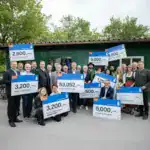
Berlin, September 15, 2026 – Berlin’s Sports Senator Iris Spranger has launched a strong challenge in the final sprint for the national bid to host the Olympic and Paralympic Games. “Olympia in Germany only wins with Berlin,” said the SPD politician at the traditional Olympic Barbecue at the Berliner Sparkasse event house on Wannsee.
Berlin, together with Brandenburg, Saxony, and Mecklenburg-Vorpommern, is competing against Munich and the Ruhr region with Cologne for the bid to host the 2036, 2040, or 2044 Games. The German Olympic Sports Confederation (DOSB) will announce its decision at the general assembly in Baden-Baden on September 26th.
Added Value for the City
For Thomas Härtel, President of the State Sports Association, the bid is “not just about 14 days of Olympic and Paralympic Games, but about added value for the city in terms of inclusion and sports facilities.” Given the expected investments, Härtel believes that the already existing 97 percent of sports facilities could be renovated, benefiting popular sports and, above all, young talent.
“The little ones are the Olympians of tomorrow. In eleven days, we will be told whether we will get the investments,” said Spranger, referring to the numerous successes of Berlin athletes this sports year: “We are also putting all our efforts into our bid for them and are fighting together to bring the world’s biggest sporting event to the city.”
The city’s bid emphasizes the existing infrastructure and the potential for long-term benefits beyond the games themselves. The renovation of sports facilities would not only serve the elite athletes but also provide modern training and competition venues for local sports clubs and schools, fostering a new generation of athletes and promoting a healthier lifestyle among the population.
Economic Impact and Sustainability
Hosting the Olympic and Paralympic Games would bring significant economic benefits to Berlin and the surrounding regions. The influx of tourists, athletes, and media personnel would boost the local economy, particularly in the hospitality, retail, and transportation sectors. Furthermore, the construction and renovation of facilities would create numerous job opportunities, both temporary and permanent.
The bid also highlights a strong focus on sustainability. By utilizing and upgrading existing sports venues, Berlin aims to minimize the environmental impact of the games. The plan includes implementing green technologies, promoting public transportation, and ensuring that all new constructions adhere to strict environmental standards. This approach aligns with modern Olympic principles, which prioritize responsible resource management and ecological conservation.
Community Engagement and Legacy
A key aspect of Berlin’s proposal is community engagement. The city plans to involve its residents in the planning and execution of the games, creating a sense of ownership and pride. Various initiatives are proposed to encourage volunteerism and public participation, ensuring that the games are a celebration for everyone.
The legacy of the games is also a central theme. Beyond the immediate economic and infrastructural benefits, Berlin aims to create a lasting social legacy. Programs promoting sports and physical activity among all age groups, particularly children and adolescents, are envisioned. The renovated sports facilities would serve as community hubs, offering accessible spaces for recreation and athletic development long after the Olympic flame has been extinguished.
The Road Ahead
With the DOSB’s decision just around the corner, anticipation is high in Berlin. The city’s leadership remains optimistic, confident that their comprehensive and forward-thinking bid presents a compelling case. The coming days will be crucial as Berlin awaits the verdict that could shape its future as a global sports capital.
The final announcement on September 26th will determine which German city or region will move forward with a national bid, marking a significant milestone in the journey towards potentially hosting the world’s most prestigious sporting event.